




By default, Microsoft Teams gives end users too many permissions: anyone can create, name, and structure teams – without approval, without standards. The result: IT loses control over access, naming conventions drift apart, and compliance risks arise not from external guests, but from missing enforceable policies.

Microsoft Teams Governance Software – Self-Hosted, Made in Germany
Microsoft Teams governance solution that enforces standards, not just reports them. For organizations with high compliance and GDPR requirements.
Trusted by industry-leading companies in the DACH region

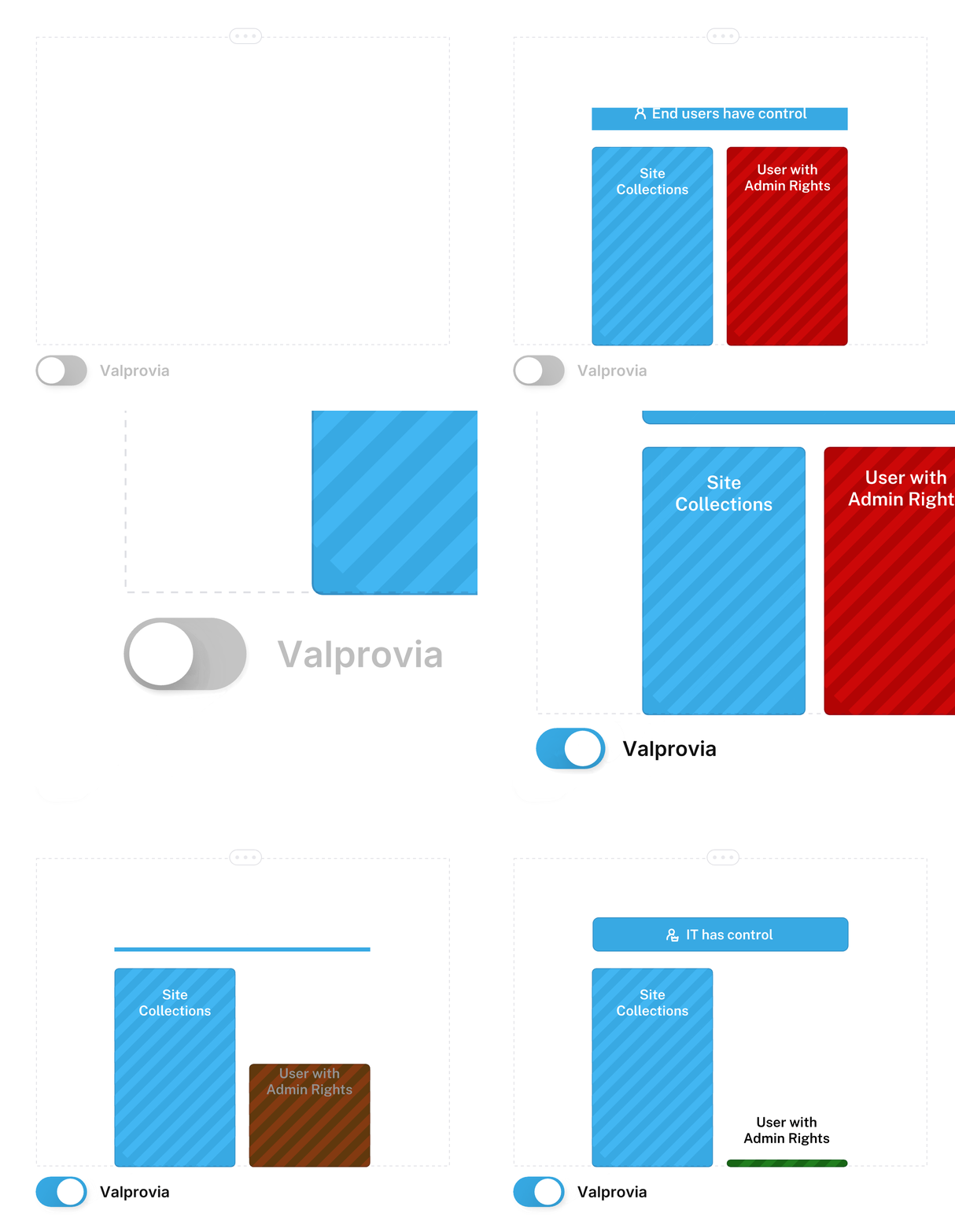
Valprovia Enforces Standards Automatically
Through an additional security layer, your governance policies are technically enforced: Teams can only be created using defined templates, and changes to structure, access, or sharing settings are not possible – even team owners cannot circumvent standards. IT defines once, Valprovia enforces permanently.
Valprovia vs. other governance solutions: Enforce standards instead of just reporting
Swipe left
|
Features
|
 Valprovia
|
 Others
|
|---|---|---|
| Governance without privileged owners (no owner policy overrides) |

|

|
| Structural changes technically blocked (channels, sharing, roles unchangeable) |
|

|
|
Self-hosted in your own M365 tenant (no third-party cloud) |

|
|
| Automatic Azure AD synchronization for role-based access profiles |
|
|
| MCP Server / Governance Agent (AI integration & automation) |
|
|

Complete consistency across all teams – without manual checks, without policy violations, without IT overhead. IT defines standards once, Valprovia enforces them permanently.
How Automatic Governance Enforcement Works
Microsoft Teams Governance Templates
Create Teams Only via Templates – and Keep Them in Standard
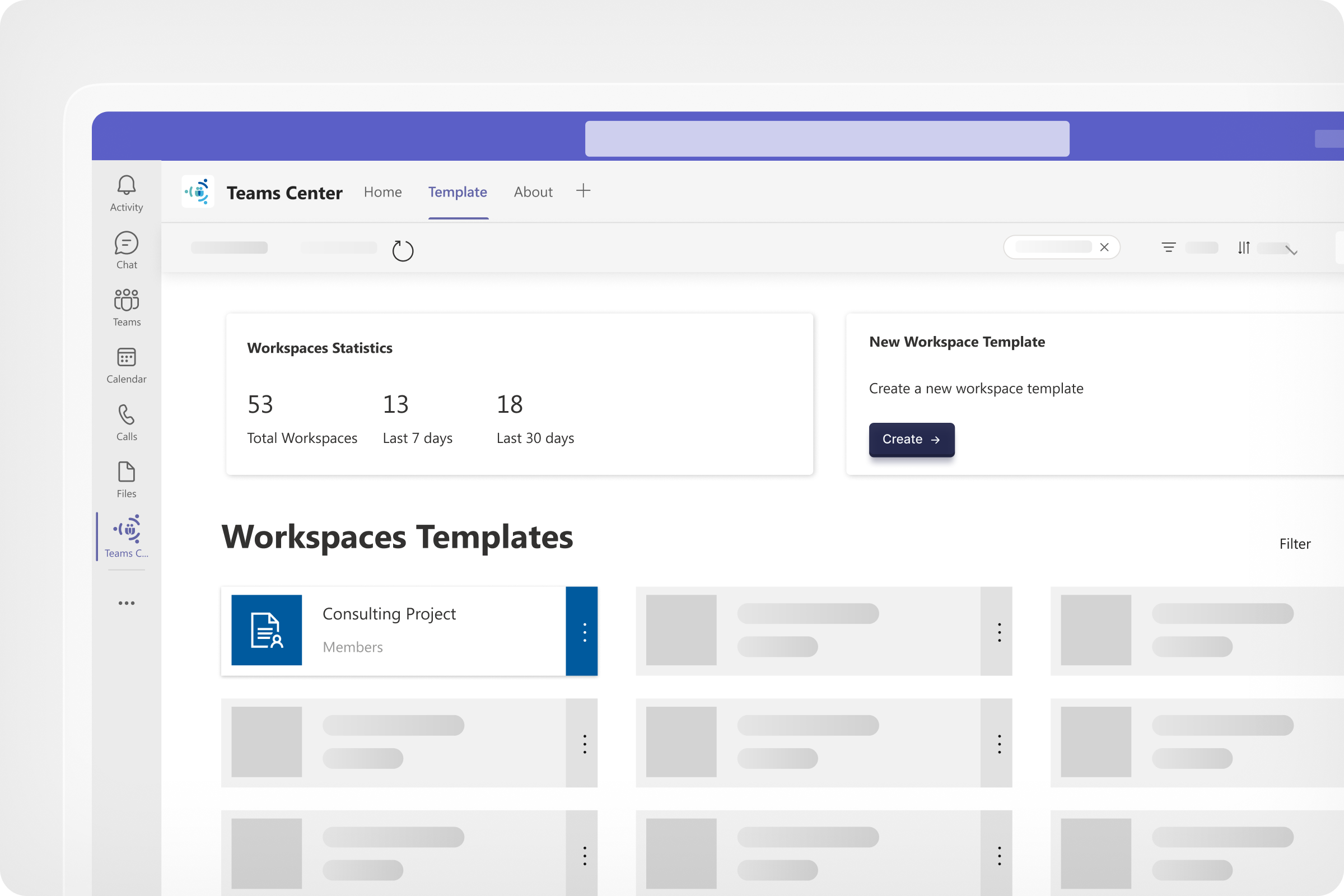
IT defines templates for different team types with predefined structure, naming conventions, and policies. End users create teams in self-service – Valprovia automatically provisions them compliantly and blocks subsequent changes to the structure.
Azure AD Group Sync
Control Team Access via AD Groups – Automatically Synchronized
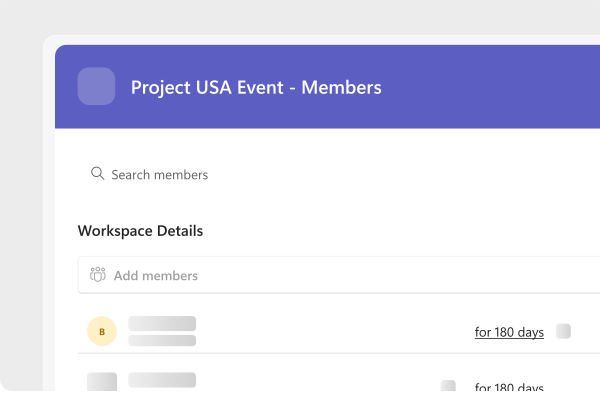
Valprovia automatically synchronizes Teams memberships with Azure AD Security Groups. Changes, new hires, or departures land in Teams without manual maintenance – including automatic cleanup of external access.
Access Profiles
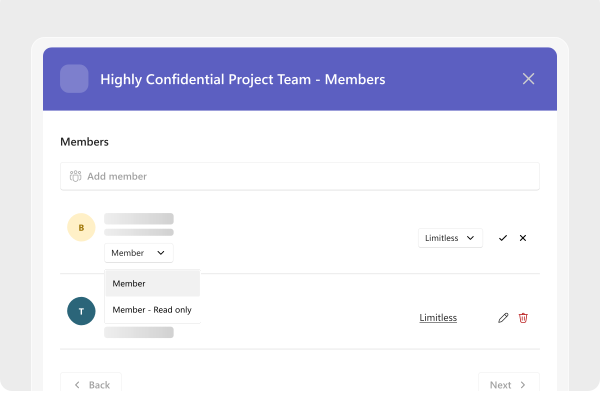
More Roles Than Owner/Member – Standardize Permissions Per Role
Define granular access roles beyond Owner/Member – e.g., Read-Only, Contributor, External Partner. Valprovia automatically enforces permissions for structure, apps, and sharing. Result: Consistent permissions without manual configuration per team.
Lifecycle & Archiving
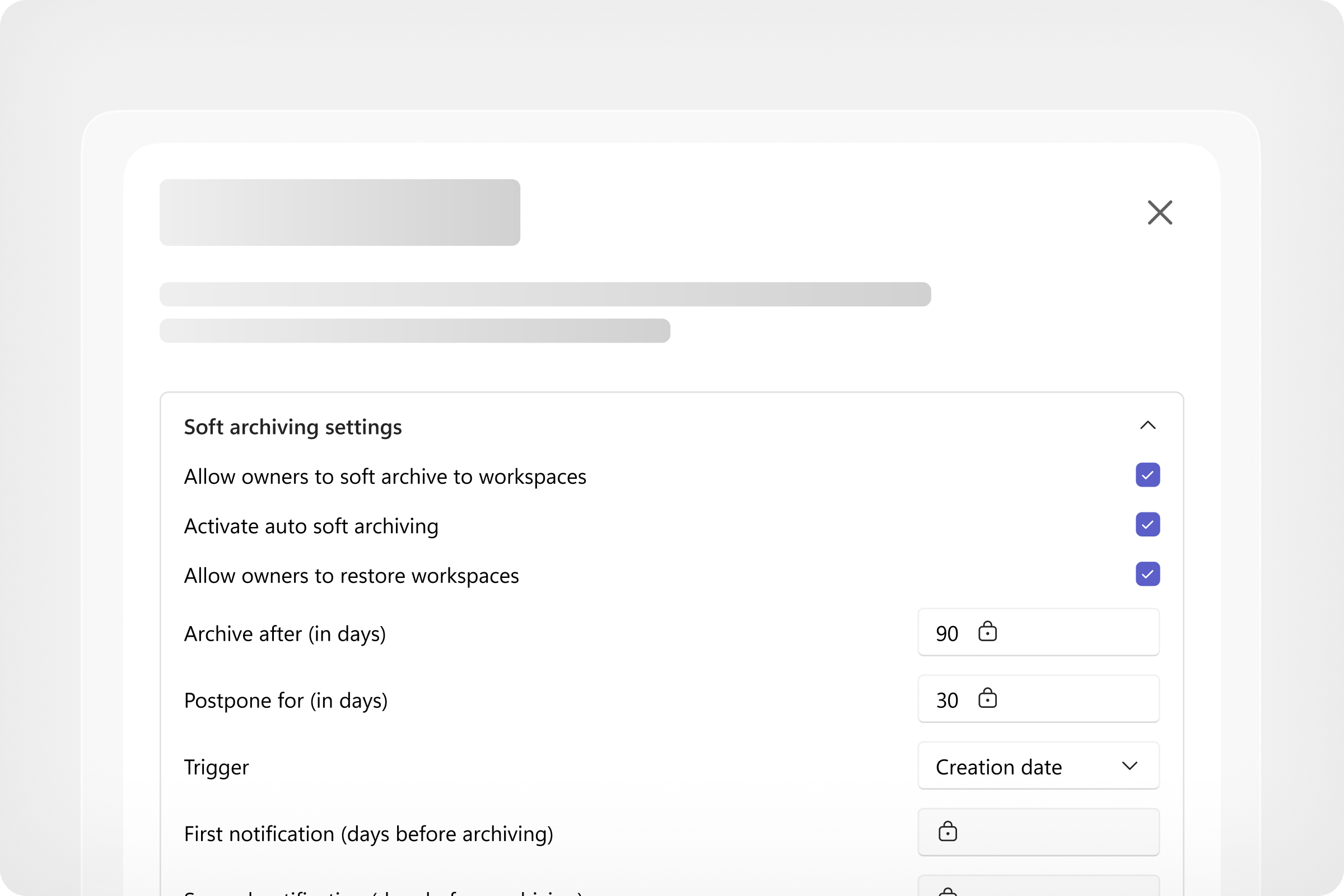
Automatically Archive, Clean Up, and Delete Teams
Automate the complete team lifecycle: Valprovia automatically archives inactive teams (read-only), cleans up external access and special permissions, and enforces deletion deadlines – by time, inactivity, or custom status. Owners cannot reactivate archived teams.
Guests & External Users
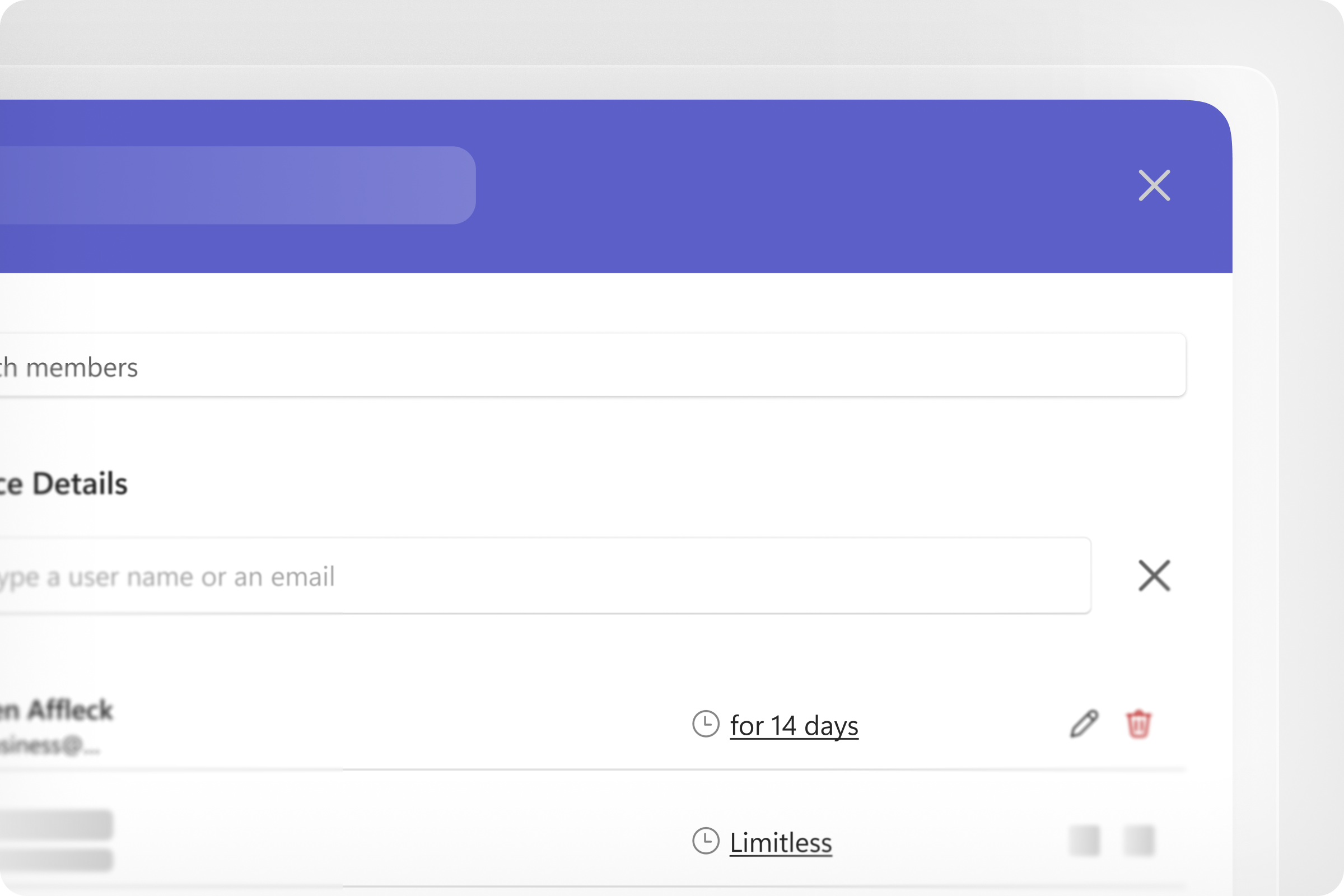
Control External Collaboration – With Clear Rules and Expiration Dates
Control external access centrally: Valprovia enforces domain allowlists, automatic expiration dates, and traceable invitation processes. External guests are automatically removed after expiration – for GDPR-compliant collaboration without "forgotten" access.

German-language — documentation & support included
Valprovia supports the German UI and provides German documentation. Support and onboarding are available in German — no language barriers in day-to-day operations.
Supports GDPR Requirements Through Tenant Isolation
Valprovia runs as a single-tenant instance in your Azure tenant – your data never leaves your environment. No multi-tenant SaaS, no data replication to third parties, you retain control.
Runs in Your Azure Tenant – Not in Our Cloud (Self-hosted)
Valprovia is deployed in your Azure tenant. Your data stays in your environment – no multi-tenant SaaS, no shadow copies, no data sharing with third parties.
“With Valprovia as a partner, we were able to find an elegant Microsoft 365 governance solution for our clients so that they can now keep their workspaces in Microsoft 365 in sync.”

“The decision for Valprovia was easy for us because we immediately recognized the added value via drastically reducing administrative activities through Valprovia governance module."

Microsoft Teams Governance Whitepaper
Prevent problems, don’t report them. How to automatically enforce governance across Teams & SharePoint—without end users acting as Site Collection Admins or Team Owners.