

German-language docs and support
German UI, German documentation, support and onboarding in German. No language barriers in operations.
Teams owner rights technically revoked, templates enforced, memberships synced via Azure AD. Self-hosted in your Azure tenant.
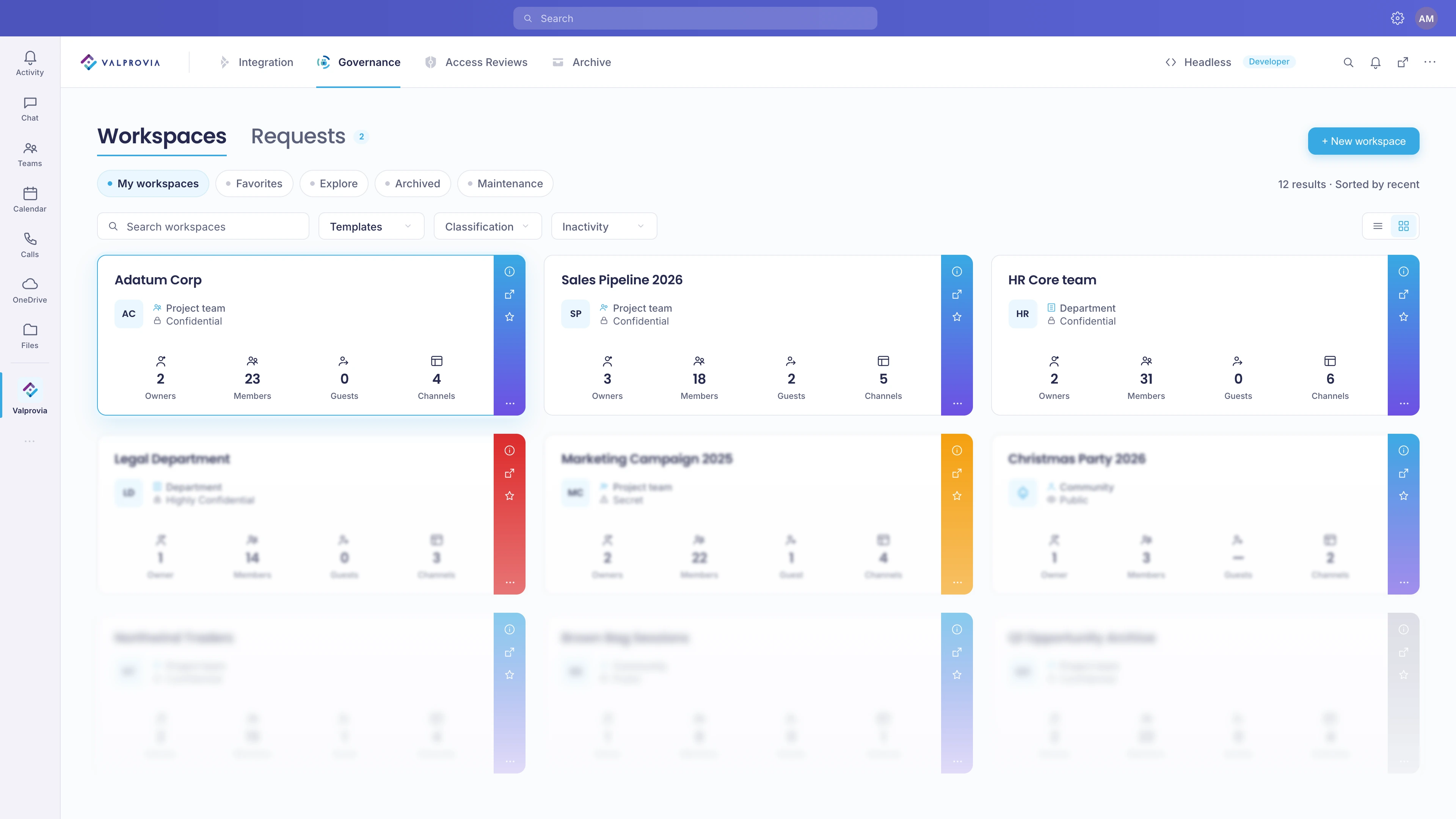
What Microsoft Teams Governance with Valprovia is
Valprovia Microsoft Teams Governance removes standing owner rights from end users and enforces templates, membership and external access centrally. Owners can no longer freely create channels, install apps or invite guests, so naming standards hold and guest access never lingers. It runs self-hosted in your own Azure tenant, without PowerShell policies.
Trusted by
Part of the Valprovia Governance module
You buy the Governance module. Period. Microsoft Teams Governance is one of two application views of it - the other is SharePoint Governance. Same templates, same permissions, same lifecycle rules. One license, two views, no double pricing.
The status quo
Whoever creates a team becomes Owner automatically - with the right to add channels, install apps, invite external guests, change sharing settings. PowerShell policies only cover this partially and get overwritten with every Microsoft update. The result: hundreds of teams without naming standards, "forgotten" external guests with full access, audit findings at every compliance check. IT carries the liability - without technical control.
Valprovia adds a security layer on top of Microsoft Teams. Teams come exclusively from IT-defined templates - naming convention, channels, apps, sharing settings, sensitivity labels are part of the template definition.
Structural changes are technically blocked after the fact: adding channels, installing apps, inviting external guests - even the team owner cannot bypass the standards. Memberships run through Azure AD Group Sync, lifecycle through automatic triggers. Self-hosted in your Azure tenant.
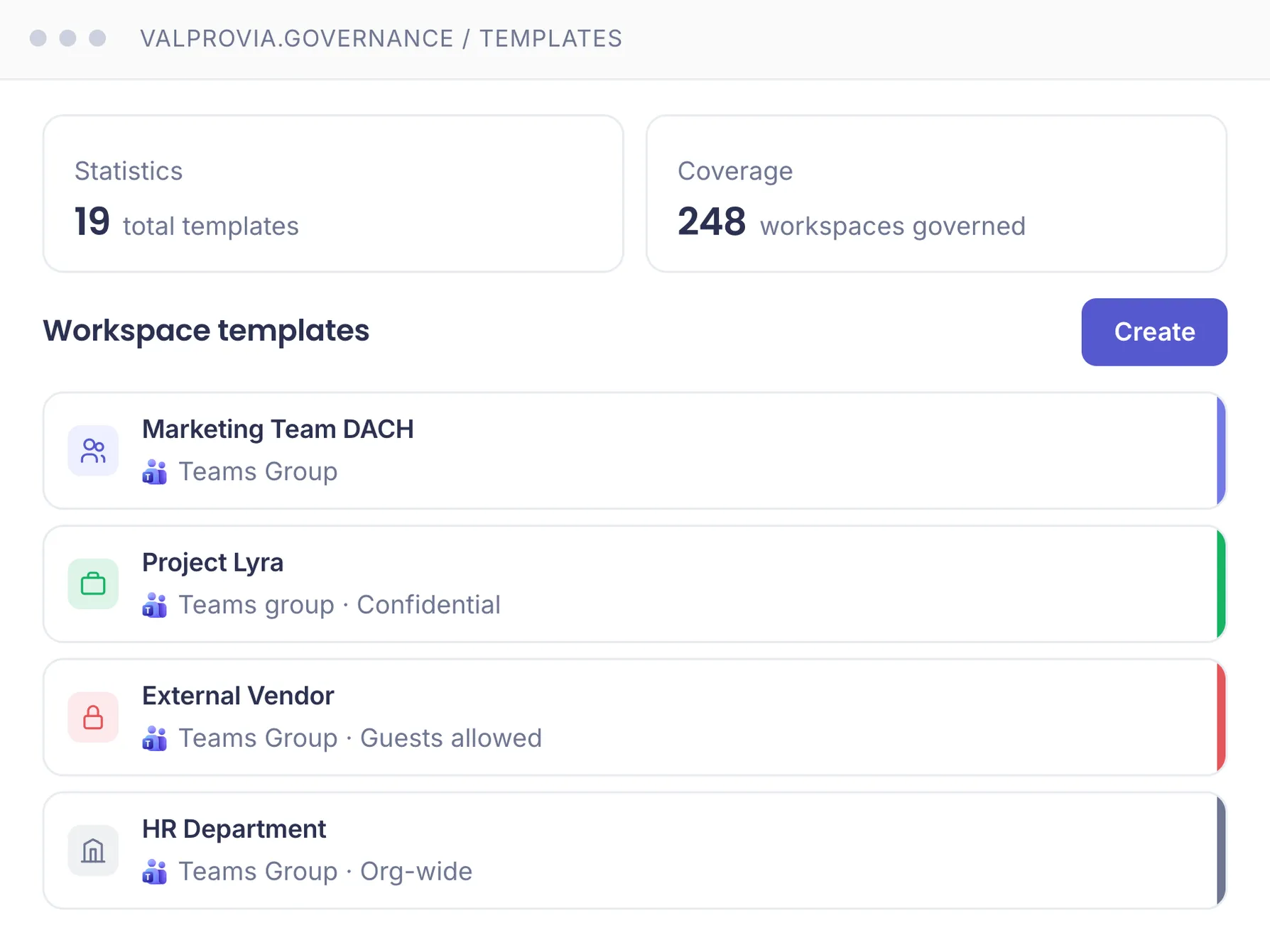
IT defines templates per team type: naming convention, channels, apps, tabs, permission schema, sharing settings, sensitivity labels. End users create teams via self-service - Valprovia provisions automatically compliant and blocks subsequent structure changes, even for team owners.
Valprovia syncs Teams memberships automatically with Azure AD security groups. Joiners, leavers and role changes land in the right teams without manual maintenance - including automatic cleanup of external access.
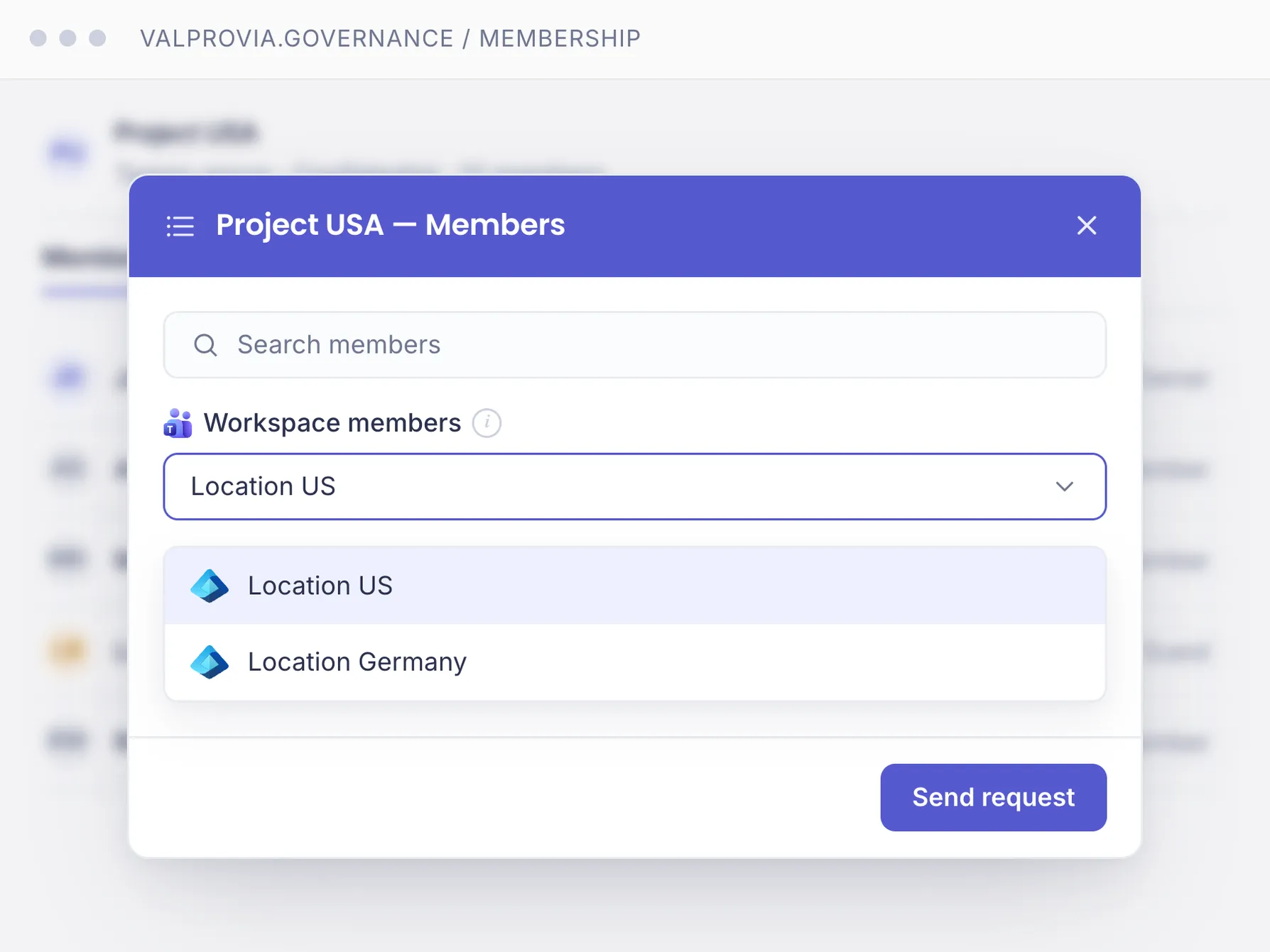
Granular access roles beyond Owner/Member - Read-Only, Contributor, External Partner. Valprovia enforces permissions for structure, apps and sharing per role automatically. Consistent rights without manual configuration per team.
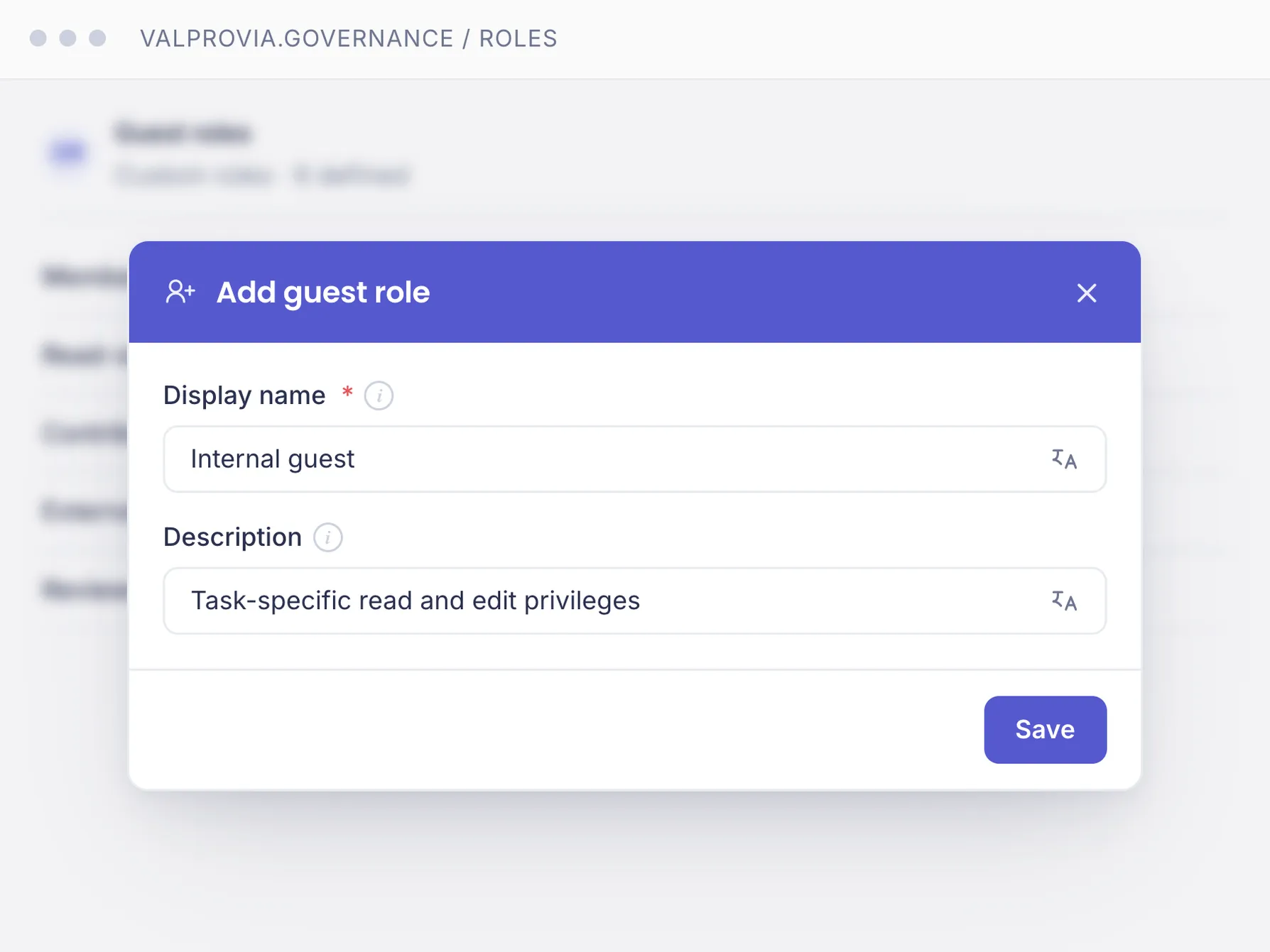
Lifecycle policies for Microsoft Teams: inactivity detection, owner notification, automatic archiving (read-only), deletion deadlines by time, inactivity or custom status. Cleans up external access and elevated permissions too. Owners cannot reactivate archived teams.
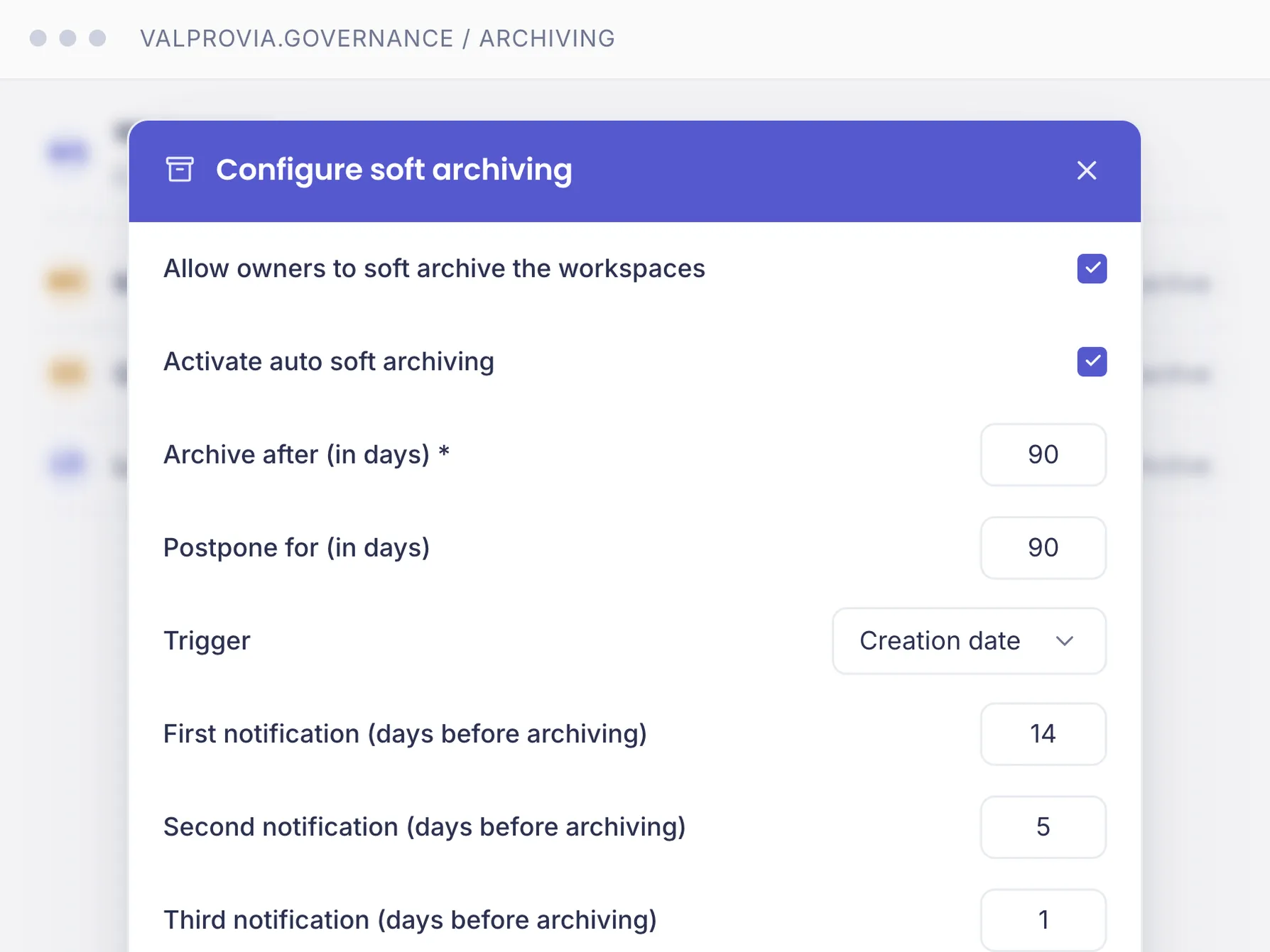
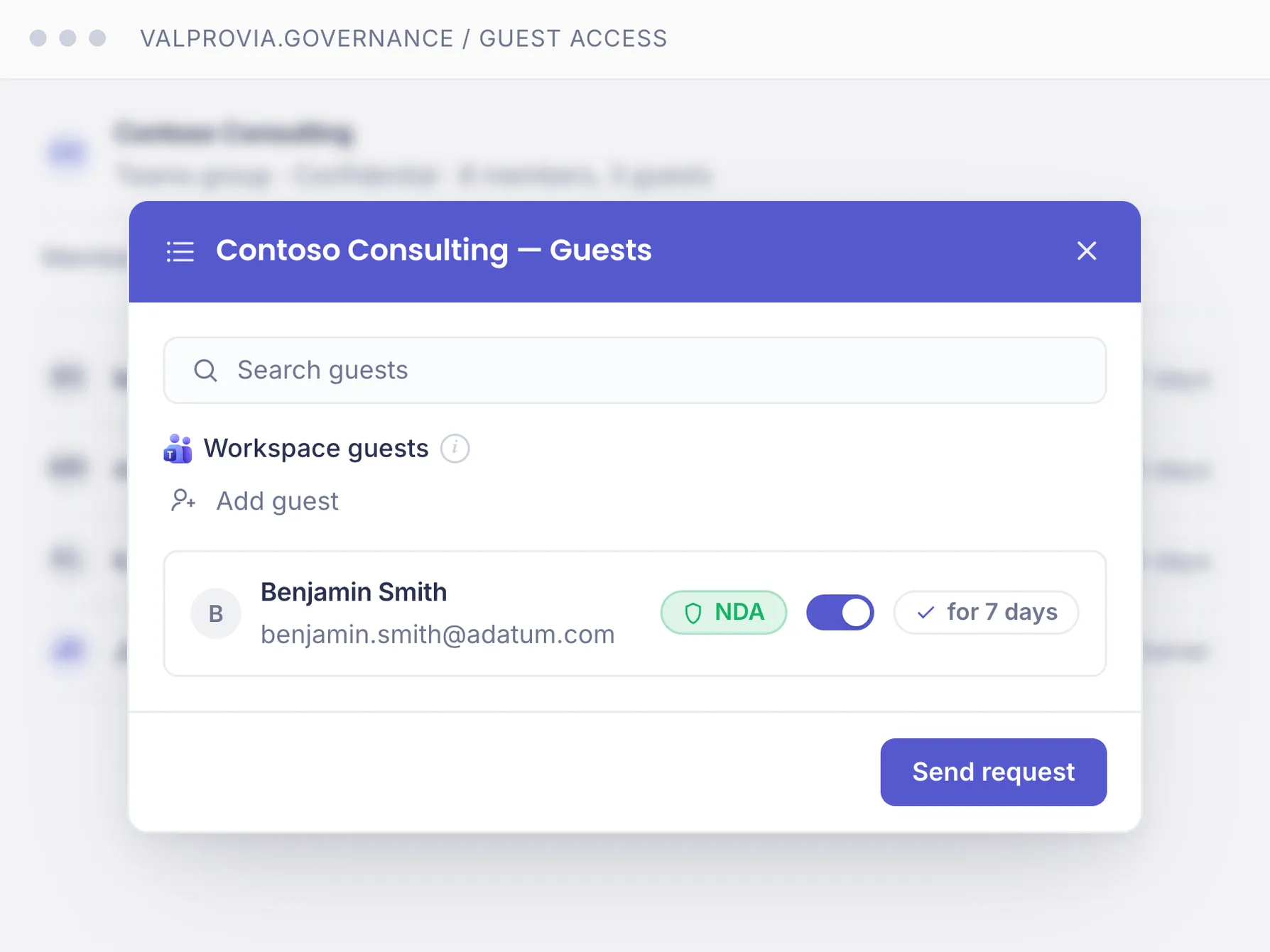
Control external access in Teams centrally: domain allowlists, automatic expiry dates per guest, NDA tracking, auditable invitation processes. External guests are removed automatically when the term ends - supporting GDPR-compliant collaboration without "forgotten" access.
Enforce standards instead of just reporting them.
| Capability | Valprovia | Competitors |
|---|---|---|
| Governance without privileged owners (no owner policy overrides) | ||
| Structural changes technically blocked (channels, sharing, roles unchangeable) | ||
| Azure AD Group Sync for Teams memberships (automatically in sync) | ||
| Granular custom roles beyond Owner/Member (Read-Only, Contributor, External Partner) | ||
| External guests with expiry dates and domain allowlists (auto-cleanup) | ||
| Native Microsoft Teams app - used directly inside the Teams client | ||
| Self-hosted inside your own Azure tenant (no third-party cloud) |
Complete consistency across every Microsoft Teams workspace - no manual checks, no policy violations, no IT overhead. IT defines once, Valprovia enforces permanently.
The same module covers SharePoint Governance - the second application view on the same templates, permissions and lifecycle rules.
The canonical module overview: templates, permissions, lifecycle and self-service across Teams and SharePoint. Pricing, tier comparison, FAQ.
See the Governance module
Site Collection Admin locked, site templates with webparts and library structure, sharing settings IT-centralised, orphaned sites automatically decommissioned.
See SharePoint Governance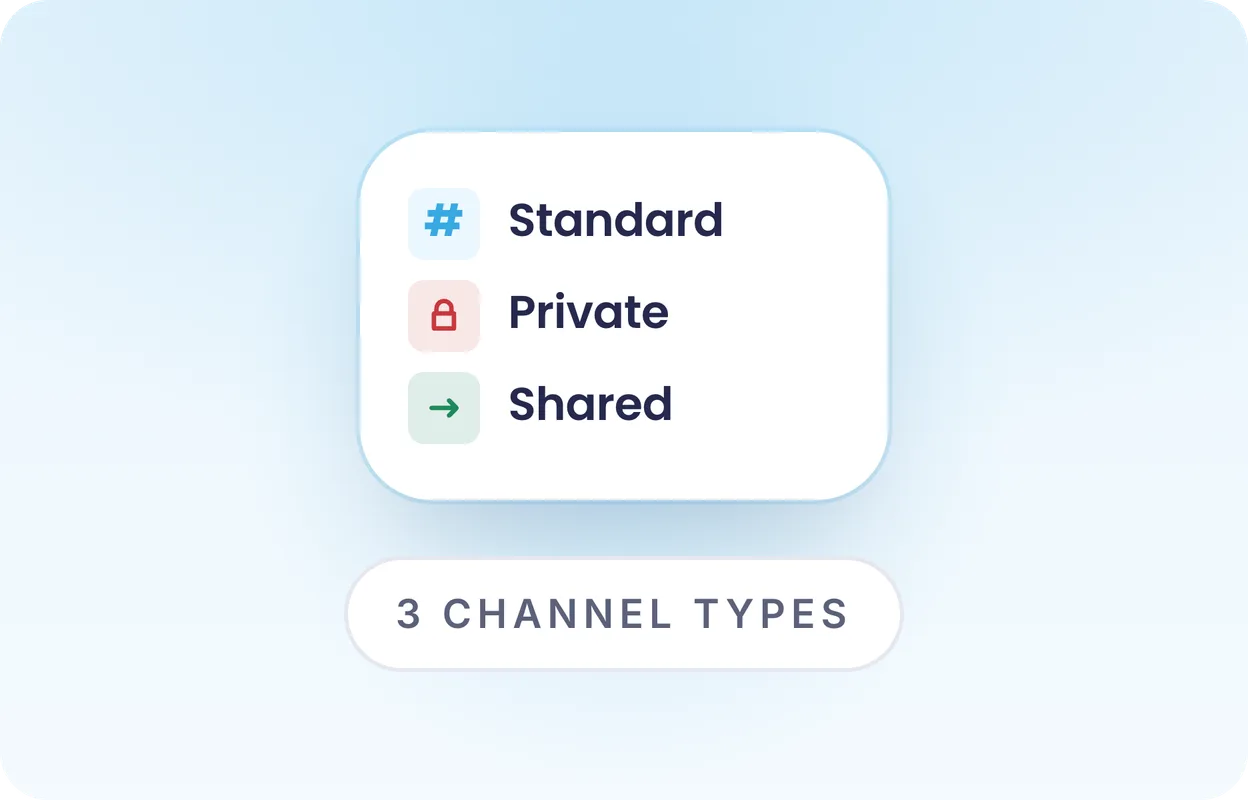
Structured creation and lifecycle for Microsoft Teams channels (Standard, Private, Shared). Enterprise-tier feature of the Governance module.
See Channel Management
Bring existing Microsoft Teams workspaces under Valprovia governance - without rebuilding. Template and policy application onto existing teams. Enterprise-tier feature.
See MigrationEach spoke covers one capability — how it's configured, what end users see, and where it fits into the module's shared template + permission model.
End users request workspaces themselves via a wizard - with approval workflow, security levels and IT guardrails.
Template-based creation of Teams, SharePoint sites and document sets - including PnP provisioning and self-service.
Manage external users in Microsoft Teams: NDA requirement, expiration date with automatic removal, and access to selected files only.
Detect inactive Teams and SharePoint sites automatically, archive them by rules and delete them in an orderly way.
Set inactive Teams and SharePoint sites to read-only (soft) or hide them from users (hard) - reversible, without data loss.
German UI, German documentation, support and onboarding in German. No language barriers in operations.
Valprovia runs as a single-tenant instance in your Azure tenant - your data never leaves your environment. No multi-tenant SaaS, no data replication to third parties.
Valprovia is deployed inside your Azure tenant. Your data stays in your environment - no shadow copies, no third-party data sharing, no CLOUD Act exposure.
With Valprovia as a partner, we were able to find an elegant Microsoft 365 governance solution for our clients so that they can now keep their workspaces in Microsoft 365 in sync.


The decision for Valprovia was easy for us because we immediately recognized the added value via drastically reducing administrative activities through Valprovia governance module.

What can a governance solution actually do for your organization? Our guide walks through the architecture, controls, and lifecycle policies that make Teams & SharePoint enterprise-ready - in 38 pages, no fluff.
 VALPROVIA


Answers to Teams-specific topics - owner rights, templates, channels, guests. Module-wide questions (setup, pricing, migration) on the Governance module page.
Microsoft Teams governance is the set of rules that safeguards the needs of the organisation and its employees while keeping balanced control over the IT infrastructure. It covers approval processes, preventing sprawl, usage policies, handling external users, and lifecycle management across a workspace's entire lifetime. According to the 2022 Teams Governance Study by HdM Stuttgart, 71% of IT departments are already heavily loaded by managing and maintaining Microsoft Teams - preventive, automated governance relieves them.
Valprovia Teams Governance is the Teams application view of the Valprovia Governance module. It revokes Teams owner rights from end users, enforces templates for team creation, syncs memberships via Azure AD, controls external guests and automates the Teams lifecycle - all self-hosted in your Microsoft 365 tenant.
Most vendors are reactive (detect-then-remediate): they surface problems (oversharing, wrong roles, orphaned guests) that IT then has to clean up manually. Valprovia prevents these problems - owner rights are technically revoked from end users already at provisioning and cannot be bypassed. Standards are enforced automatically instead of reported after the fact. Result: significantly less IT overhead for governance tasks.
For complex tenants what matters is that governance is enforced centrally rather than maintained per team by hand: Valprovia revokes owner rights from end users, locks the site collection admin, enforces templates and naming conventions at provisioning, and syncs memberships via Azure AD. Because it runs self-hosted in your own Microsoft 365 tenant, it scales within the Microsoft 365 limits and keeps data in your tenant - a fit for large, regulated organizations with many workspaces.
Valprovia Governance runs self-hosted in the customer's own Microsoft 365 tenant - no data leaves your environment. That is the decisive difference for regulated industries with compliance and GDPR requirements: data residency stays with you, no extra external processors are introduced, and the governance controls (owner-rights revocation, lifecycle, guest expiry) are technically enforced inside your own tenant. Made in Germany, GDPR-compliant.
The best way to enforce Microsoft Teams policies is preventive enforcement instead of after-the-fact reporting. Valprovia enforces policies technically: owner rights are revoked from end users already at provisioning and cannot be bypassed, templates and naming conventions are enforced at team creation, external guests get a mandatory expiry date and are removed automatically, and the lifecycle of inactive teams runs automated. Standards are enforced instead of reported - every change with an audit trail.
Automated governance for Microsoft Teams comes from four building blocks that are configured once and then enforced technically: (1) provisioning exclusively through IT-defined templates with an approval workflow, (2) revoking privileged owner and admin rights at creation, (3) an automated lifecycle - inactive teams are archived or deleted by rule, (4) external guests with automatic expiry dates. Valprovia Governance delivers all four in one self-hosted module; IT defines the rules once instead of manually cleaning up after every team, and end-user self-service stays available inside those guardrails.
With Valprovia Governance, provisioning rules and naming conventions are enforced technically at team creation: teams are created exclusively from IT-defined templates, and per security level three naming elements are configurable - a title convention (display name), a mail nickname (email address) and the SharePoint URL - with dynamic tokens drawn from metadata (for example department or project codes). The conventions cannot be bypassed after creation because end users hold no admin rights on the workspace. The result: consistent names and URLs across the tenant, with no manual rework.
Native Microsoft tooling requires IT to maintain roles, permissions and the lifecycle of every team by hand - which does not scale. Valprovia automates exactly that: provisioning with enforced templates, owner-rights control, Azure AD membership sync, time-boxed guest access, and automatic decommissioning of orphaned teams. Central IT manages standards once instead of chasing every workspace.
Responsibility means "who decides/reviews". Permission means "who holds technical rights". Microsoft Teams couples both by default: whoever creates a team automatically becomes Owner with full admin rights. Good governance separates the two - team responsibility with the business, technical admin rights with IT. Valprovia makes this separation technically enforceable.
Yes, because Teams and SharePoint are connected in practice: every team has a SharePoint site behind it. Valprovia controls both applications from one module: templates, permissions, sharing settings, lifecycle and provisioning apply consistently to Teams and SharePoint. The SharePoint-specific view is detailed on the SharePoint Governance page - what you buy is always the same module.
Yes. With the Valprovia Migration Tool (Enterprise-tier feature) existing teams are imported into the Governance module. The defined templates and governance policies are applied to those teams retroactively - without having to rebuild them.
Valprovia manages external users in Microsoft Teams through central, technically enforced controls: a domain allowlist defines which domains may be invited, every guest gets a mandatory expiry date and is removed from the team automatically when the term ends, backed by NDA tracking and optional multi-stage approval. No "forgotten" access lingers - fully documented to support GDPR-compliant operation.
Channel Management is an Enterprise-tier feature of the Governance module: templates per channel type, structured creation (not every owner can create arbitrary channels), lifecycle policies for channels, controlled shared-channel relationships with external tenants. Details on the Channel Management page.
Bring two or three real Teams use cases. We show live how templates kick in, owner rights disappear and Azure AD sync runs. Including a pricing proposal for your user count.